You’ve done too little for too long.
- Stopping movement completely.
- Avoiding certain movements for long periods.
- Resting for too long.
- Becoming increasingly cautious about what you do.
- Gradually losing physical capacity.
Save $599 on the Back Path program today only.Sale ends at midnight.
If you’ve dealt with chronic back pain for way too long, this is for you. You’ve tried everything. Chiropractors, rehab, rest, massage, meditation, healthy eating, the McGill Method, core training, back extensions — and the list goes on.
Some of these things may have helped. Until another flare-up hits. So you try something else. Then another flare-up comes. Then another. Eventually, you can end up stuck.
Afraid of certain movements. Afraid of making plans because you don’t know how your back will feel. Thinking about your back before you lift something, train, travel, play with your kids, or do something you used to do without thinking. Your life slowly starts revolving around one question: What if I flare my back up again?
First of all, thank you for coming. We know how exhausting this cycle can feel.
Ready to start building your way back?
Takes about 1 minute.
The difficulty most people with chronic back pain face is finding the sweet spot between too little for too long and too much too soon.
And that’s where Back Path comes in.
We start you where you are and build you up gradually from the ground up.
Your pain and symptom scores help inform when the program progresses, modifies, or temporarily regresses your pathway — together with the program’s progression framework and professional guidance.
Then we keep moving forward.
Takes about 1 minute.
We use a three-part approach.
Back Path contains a robust, research-backed education library built around modern back-pain and rehabilitation science.[2],[3],[5],[6]
Members complete the foundational education component before beginning the progressive rehabilitation pathway.
The complete curriculum is designed to include approximately 15 hours of education.
By the time you finish the education component, our goal is for you to understand back-pain rehabilitation well enough to make far better decisions about movement, flare-ups, progression, and recovery.
You’ll learn why pain does not automatically mean you’re damaging your back, why many MRI findings need to be interpreted in context, and why some discomfort during rehabilitation does not necessarily mean you should stop.[5],[7],[8]
You’ll learn why some pain or discomfort during rehabilitation does not automatically mean you’re causing new damage — and how to understand when to continue, modify, regress, or seek assessment.[1],[4],[9]
The goal is to stop seeing your back as something that is automatically fragile or damaged every time it hurts.
A progressive rehabilitation pathway built around your starting point — not a random list of exercises, and not a one-size-fits-all protocol copied from someone else’s back.
Five progressive tiers
Tier 0 → Tier 1 → Tier 2 → Tier 3 → Tier 4
Tier 0
Accessible bodyweight movement and mobility. For people who have become guarded, deconditioned, or apprehensive around movement, the starting point should feel manageable. Many members may begin here depending on their starting point.
Tier 1
Gradually introduce movement through more planes and ranges — forward bending, backward bending, rotation, and lateral movement. The intent is gradual exposure to movements that may have been avoided.
Tier 2
Bands. Very light resistance. Controlled loading. Increasing physical capacity.
Tier 3
Increasing resistance. More demanding movement patterns. Preparation for compound movement. Building broader full-body strength and capacity.
Tier 4
More demanding loaded movement — gym, work, sport, lifting, carrying, training, and the physical activities you actually care about.
We start with the basics and progressively rebuild movement and physical capacity. Your workouts live inside the Back Path app. The program is intended to progress from basic movement toward increasingly demanding loaded movement.
Depending on your starting point and response, progression may take roughly 2–6 months. The exact amount of time it takes matters far less than consistently doing the work and progressing appropriately.
There is no magic exercise.
Back extensions can be useful. Core training can be useful. Mobility can be useful. Strength training can be useful.
They’re pieces of the puzzle.
The goal is to progressively build capacity across all planes of movement at a load that is above what you use from one day to the next.
We connect you with a Back Path chiropractor — a Doctor of Chiropractic (DC) — who is available through member messaging every day from 9 AM–9 PM during the six-month program.
Rehabilitation can have ups and downs. It’s an up-and-down process for a while. That’s normal.
Flare-ups and symptom changes can happen during rehabilitation.
Exercises sometimes need to be modified. Sometimes you progress. Sometimes you temporarily back off.
Having professional guidance available throughout the process gives you a place to ask questions and get reassurance when something changes.
Our chiropractic team

Dr. Francis Zolli, DC

Dr. Frank Aguilera, DC

Dr. Terrance Stackwood, DC

Dr. John Zeravich, DC

Dr. David York, DC
Dr. Sandra Roddy-Adams, DC

Dr. Anjannette Price, DC

Dr. Gwen Jones, DC
We calm shit down.Then we build shit back up.
Takes about 1 minute.

Dr. Francis Zolli, DC
Back Path Chiropractor · 9 AM–9 PM daily
My back is more irritated today. Should I modify the session?
Let’s keep today’s work, but drop the last progression and stay in the control variations.
This movement feels different on my left side.
That’s a useful cue, not an emergency. I’ll send a left-side regression for the next two sessions.
Message your chiropractor
Member stories
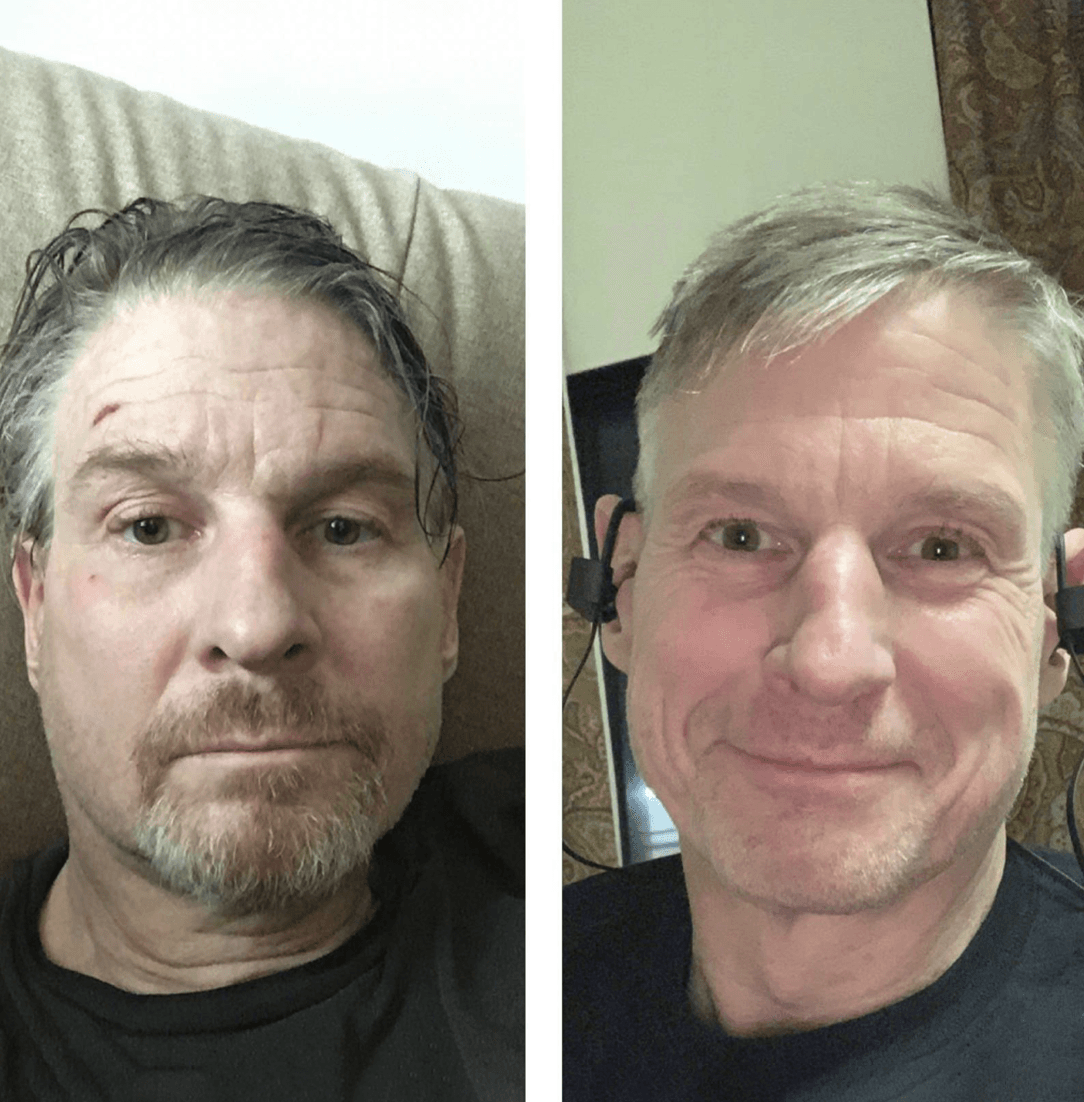
Back to hockey
Back on the ice after 10 years of chronic low back pain.
“For 10 years, chronic low back pain kept me from doing the things I loved. I had to stop playing hockey, and even doing things with my kids became difficult.
After five months with Back Path, I’m back on the ice playing hockey again. I’m incredibly thankful for everything the Back Path team did to help me get here.”
Back Path member · 5 months
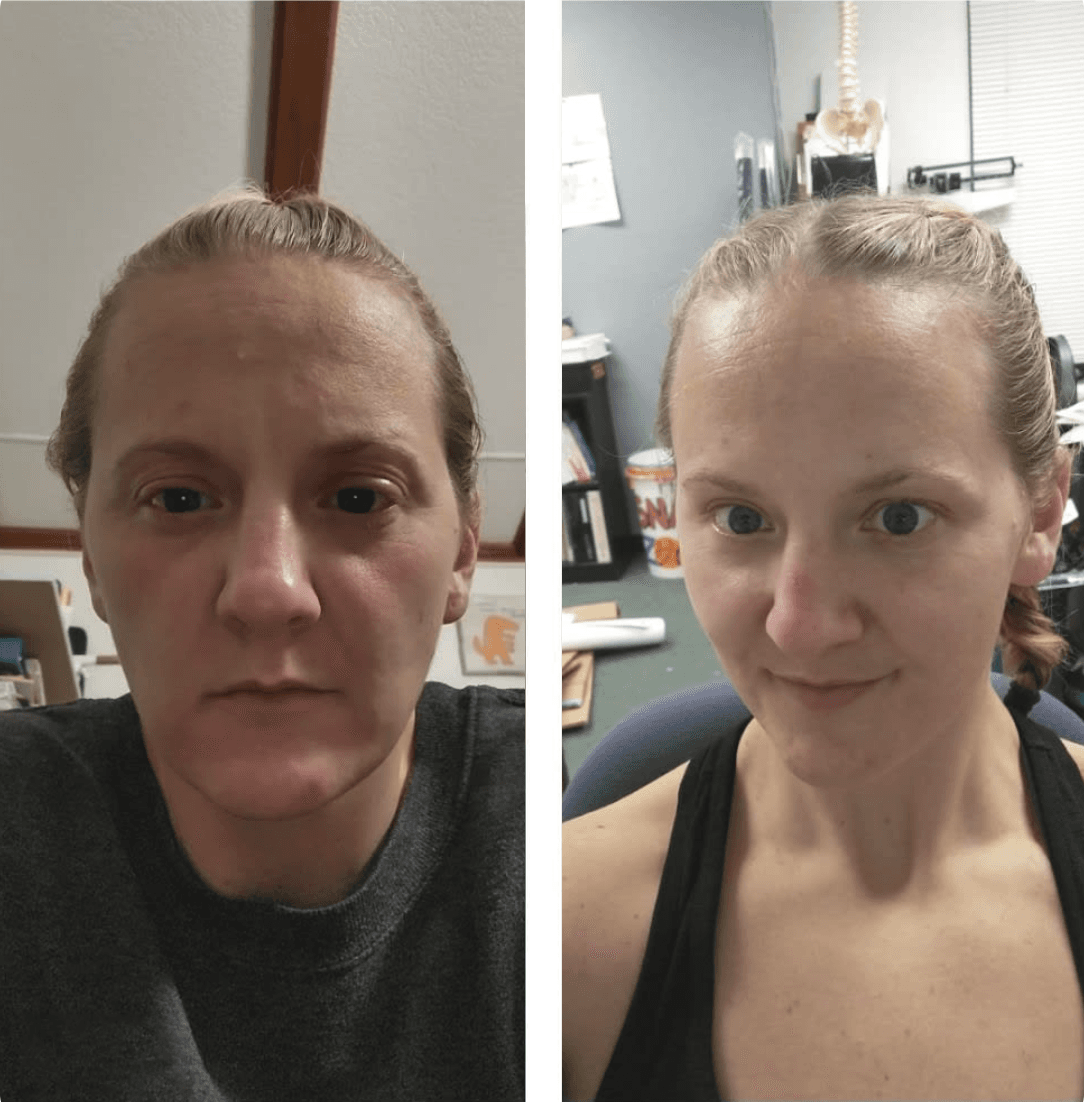
Active again
Sciatic pain gone after a year of struggling.
“I dealt with sciatic pain from a herniated disc for a year. Nothing seemed to work. I tried the McGill Method and was told to avoid bending forward for eight months, but my back pain kept getting worse and I was having multiple flare-ups every month.
After eight months with Back Path, my sciatic pain is gone. I’m active again, happy, and feel like I have my life back.”
Back Path member · 8 months
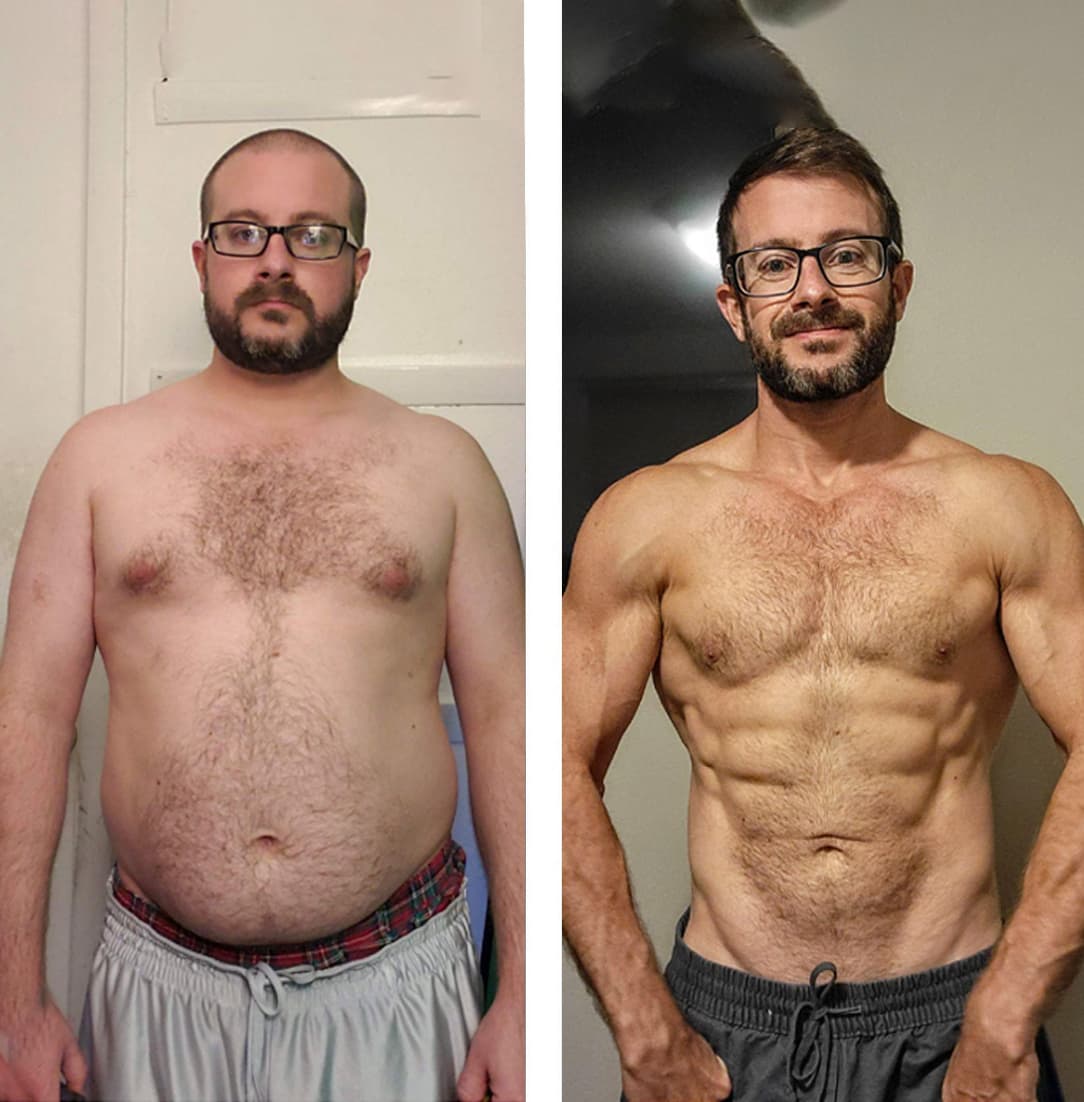
Climbing again
Back to climbing after repeated gym-related back injuries.
“I injured my back doing squats and then kept re-injuring it in the gym. I tried massage, acupuncture, and rehab, but the cycle kept repeating until I eventually had to stop climbing.
After a year with Back Path, I’m climbing mountains again, stronger than ever, and completely out of back pain. I’m newly married too, and it feels incredible to be able to live my life without constantly worrying about my back.”
Back Path member · 1 year
Individual experiences and results vary.
Average reported pain frequency
Good morning, Alex
Ready for today’s path?
Your path
Week 7 · Control
Today’s session
Rotation + Hip Control
28 min
Pain today
3 / 10
Confidence
7 / 10
Education
Why flare-ups happen
6 min
Today’s path
Week 7 · Control
Today’s session
Pain today
3 / 10
Confidence
7 / 10
Path progress
34%
Current stage
Control
What’s next: Capacity
Education
Does pain always mean damage?
Support
Message your Back Path chiropractor
9 AM–9 PM daily
Takes about 1 minute.
Everything we recommend is based on the most up-to-date research about what works and what doesn’t work for back pain. This gets rid of the fluff that exists online and throughout North America when it comes to managing back pain, and gets you focused on what actually works. It empowers you to focus on solutions that have science behind them, rather than outdated or ill-informed recommendations that aren’t supported by current back-pain research.
[1] Exercise therapy for chronic low back pain
Hayden JA, Ellis J, Ogilvie R, Malmivaara A, van Tulder MW · Cochrane Database of Systematic Reviews · 2021
[2] Noninvasive treatments for acute, subacute, and chronic low back pain: a clinical practice guideline from the American College of Physicians
Qaseem A, Wilt TJ, McLean RM, Forciea MA; Clinical Guidelines Committee of the American College of Physicians · Annals of Internal Medicine · 2017
[4] Interventions for the management of acute and chronic low back pain: revision 2021
George SZ, Fritz JM, Silfies SP, et al. · Journal of Orthopaedic & Sports Physical Therapy · 2021
[5] What low back pain is and why we need to pay attention
Hartvigsen J, Hancock MJ, Kongsted A, et al.; Lancet Low Back Pain Series Working Group · The Lancet · 2018
[7] Systematic literature review of imaging features of spinal degeneration in asymptomatic populations
Brinjikji W, Luetmer PH, Comstock B, et al. · American Journal of Neuroradiology · 2015
Regular price
$1,000
Current offer
$67/ month
6 monthly payments of $67
or $399 upfront for the six-month program.
Pay $399 today and save $3 versus six installments.
After six months, continued app and desktop access is $9.99/month without chiropractor messaging.
Takes about 1 minute.
Not another PDF.
Not another random list of exercises.
A path.
Give your back pain a path forward.
Start with a one-minute safety check to see whether Back Path is an appropriate next step for you.
Takes about 1 minute.